
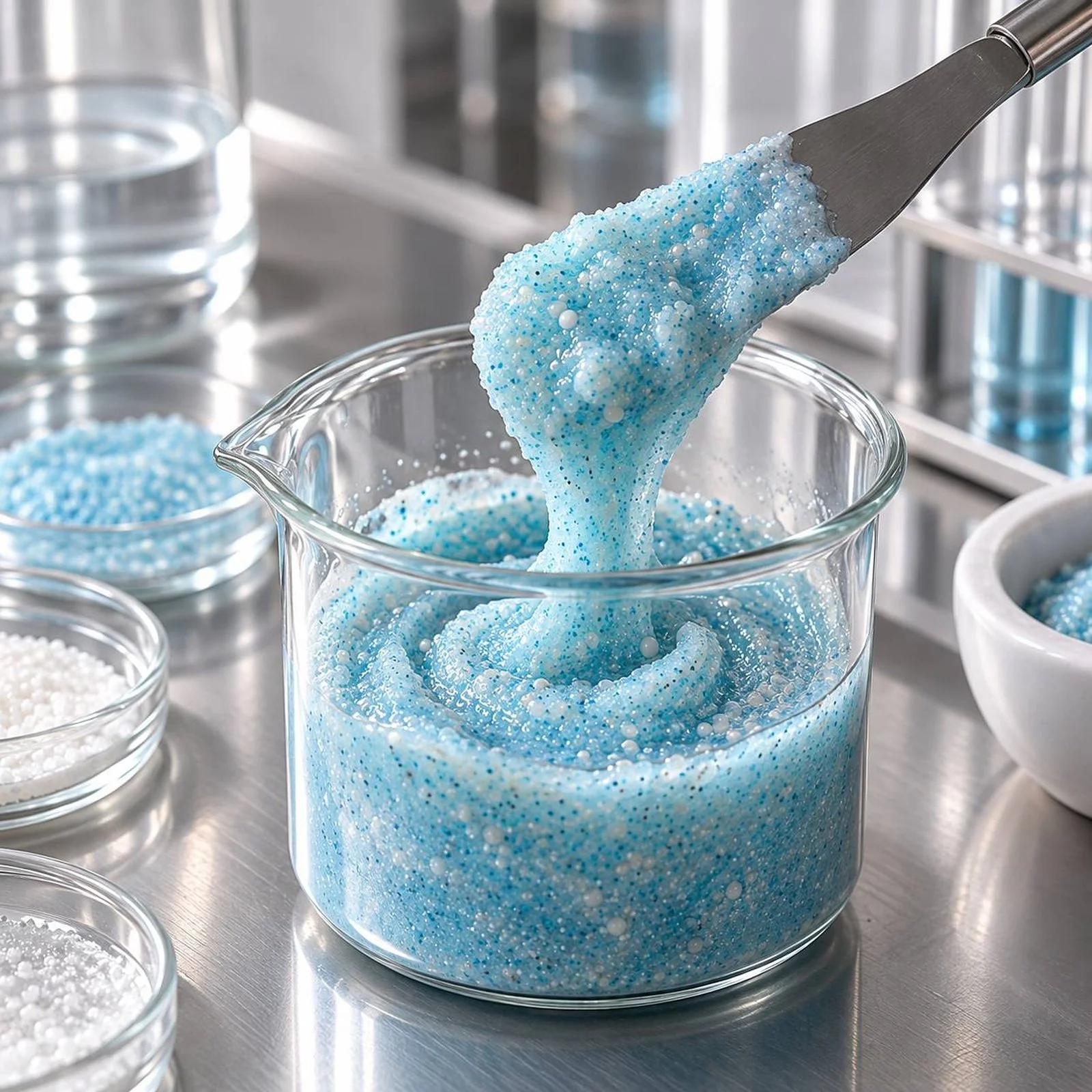
What One Ingredient Can Cost You, and Why We Take It Out Anyway
Mineral oil is not dangerous. It can still close doors at clean retail. Here is what one ingredient costs a brand, and why we default to clean on benchmark briefs.
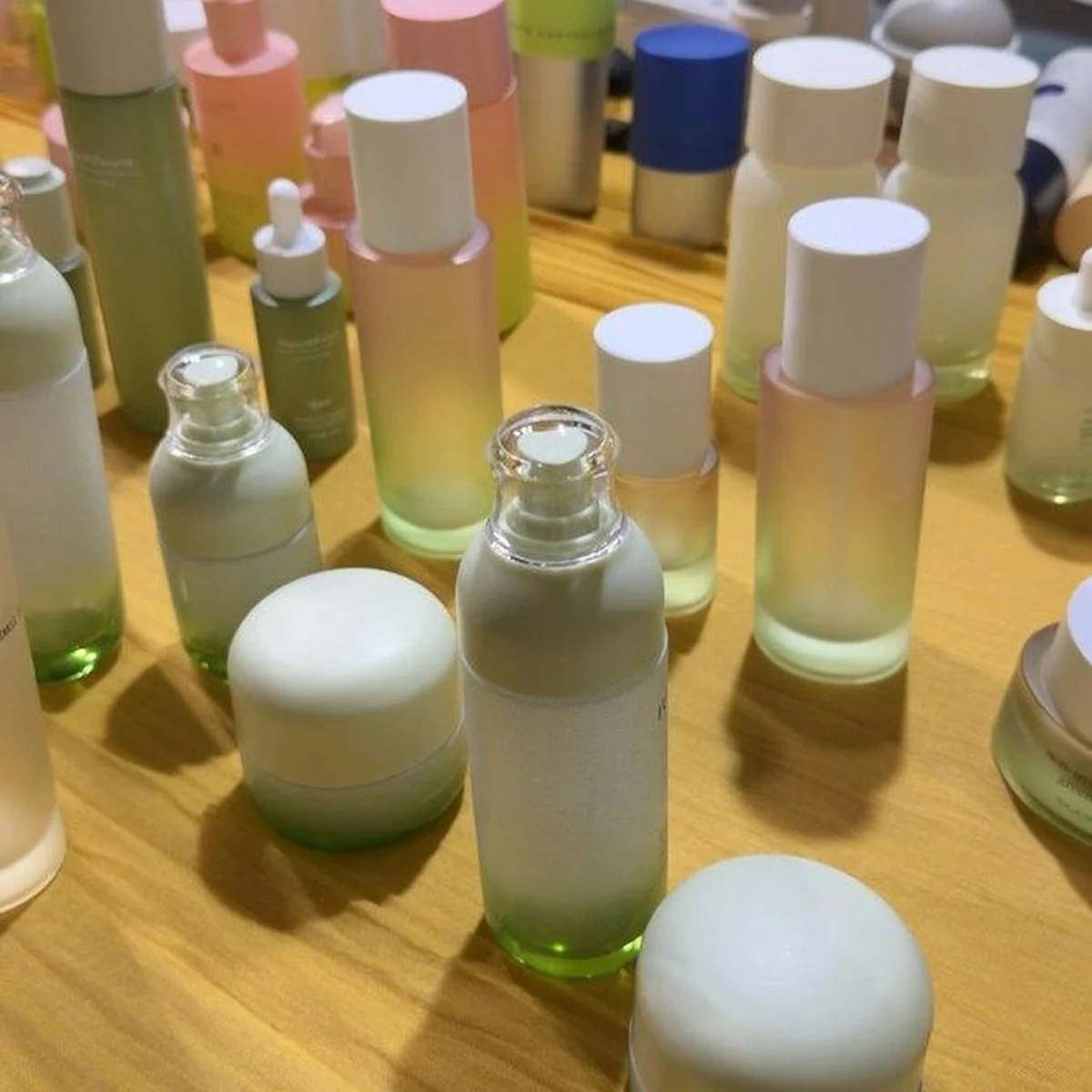
What the FDA Has Planned for November, and Why Your Label Is About to Get Longer
Two lines in the 2026 Unified Agenda will change what goes on the back of a cosmetic bottle. Both are proposals rather than final rules, and both are easier to prepare for now than in November.
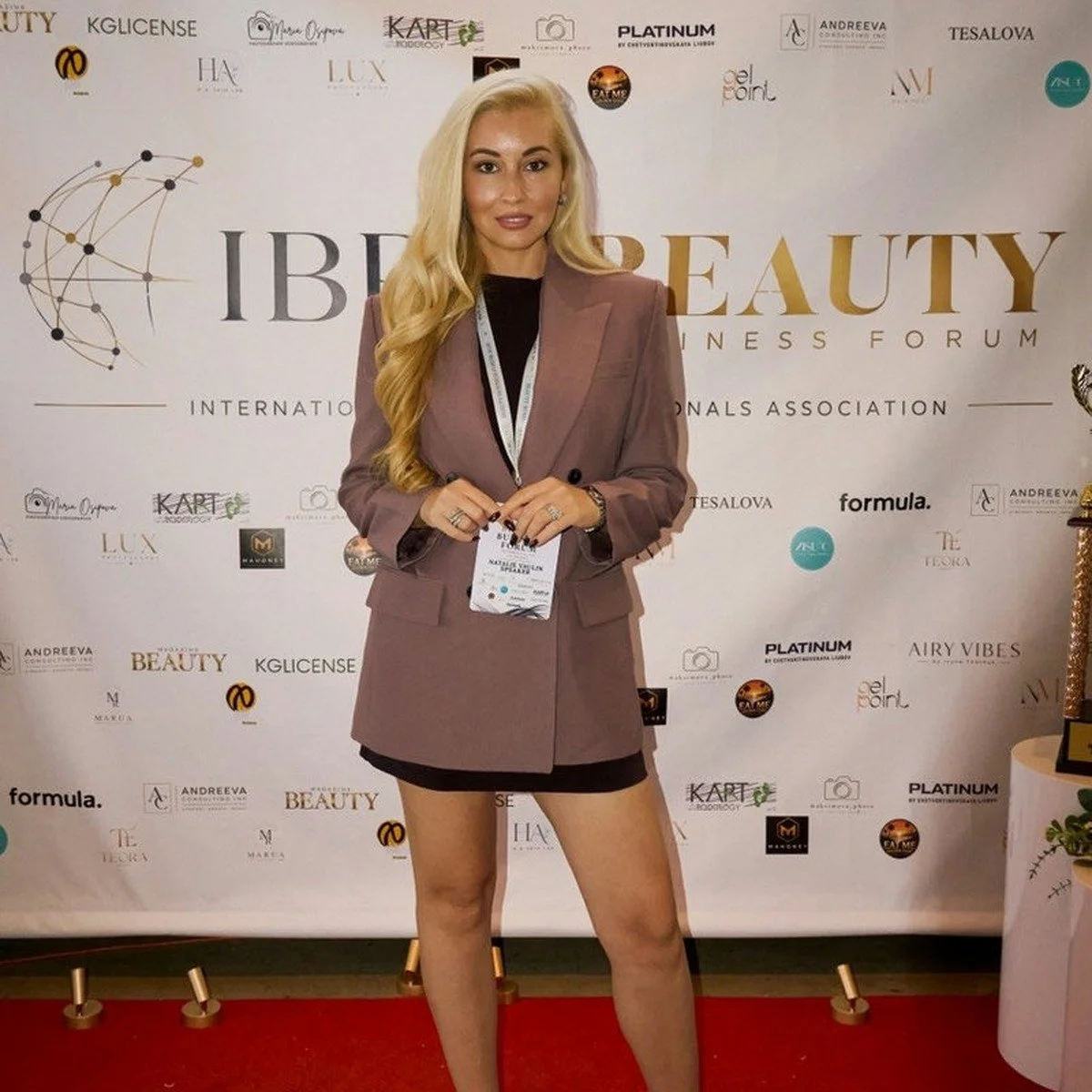
Your Clients Have Already Told You What to Make
Notes from the Beauty Business Forum stage in Los Angeles, September 2026. The research behind a good first product is usually already sitting in the room, filed as client complaints rather than market data.
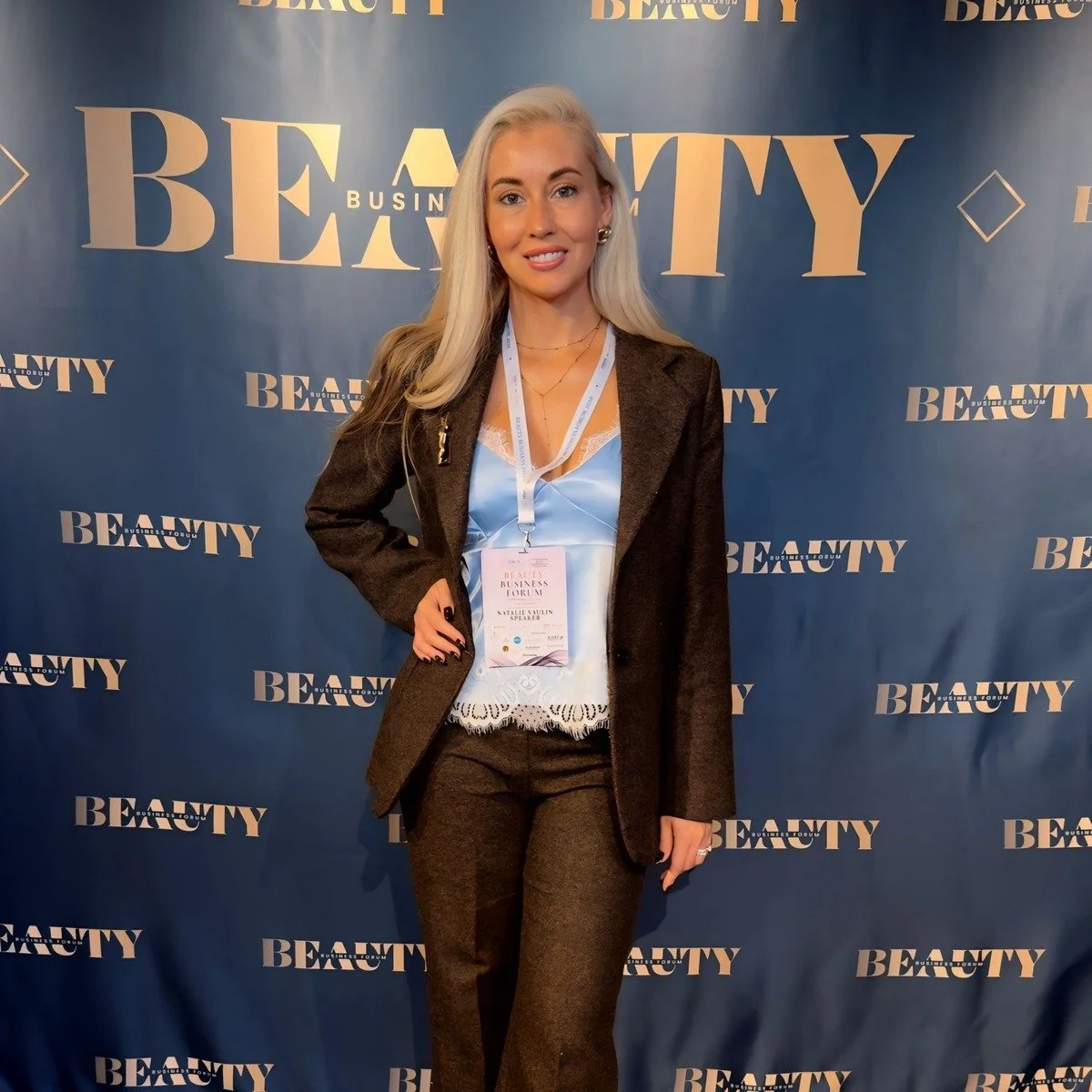
From Idea to Store Shelf: What It Takes to Launch a Beauty Brand in the USA
Four beliefs stop most people from ever launching. None of them is true. The talk from the Beauty Business Forum stage in Los Angeles, with the numbers included.
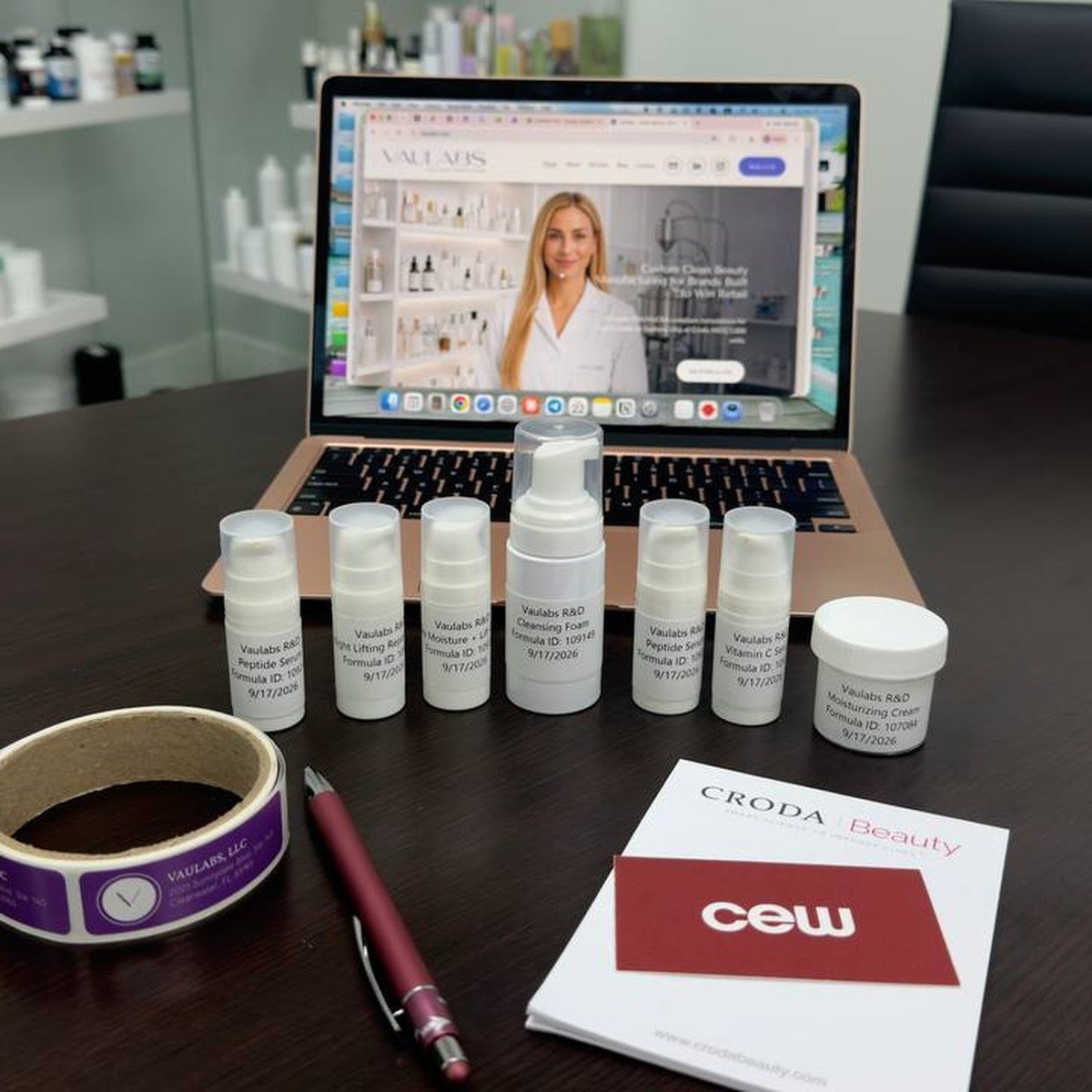
Packaging Compatibility: The Cost of the Wrong Closure
A formula that passes stability testing on its own can still fail once it is sealed inside a tube or a jar. What packaging compatibility testing actually catches, and when to run it.
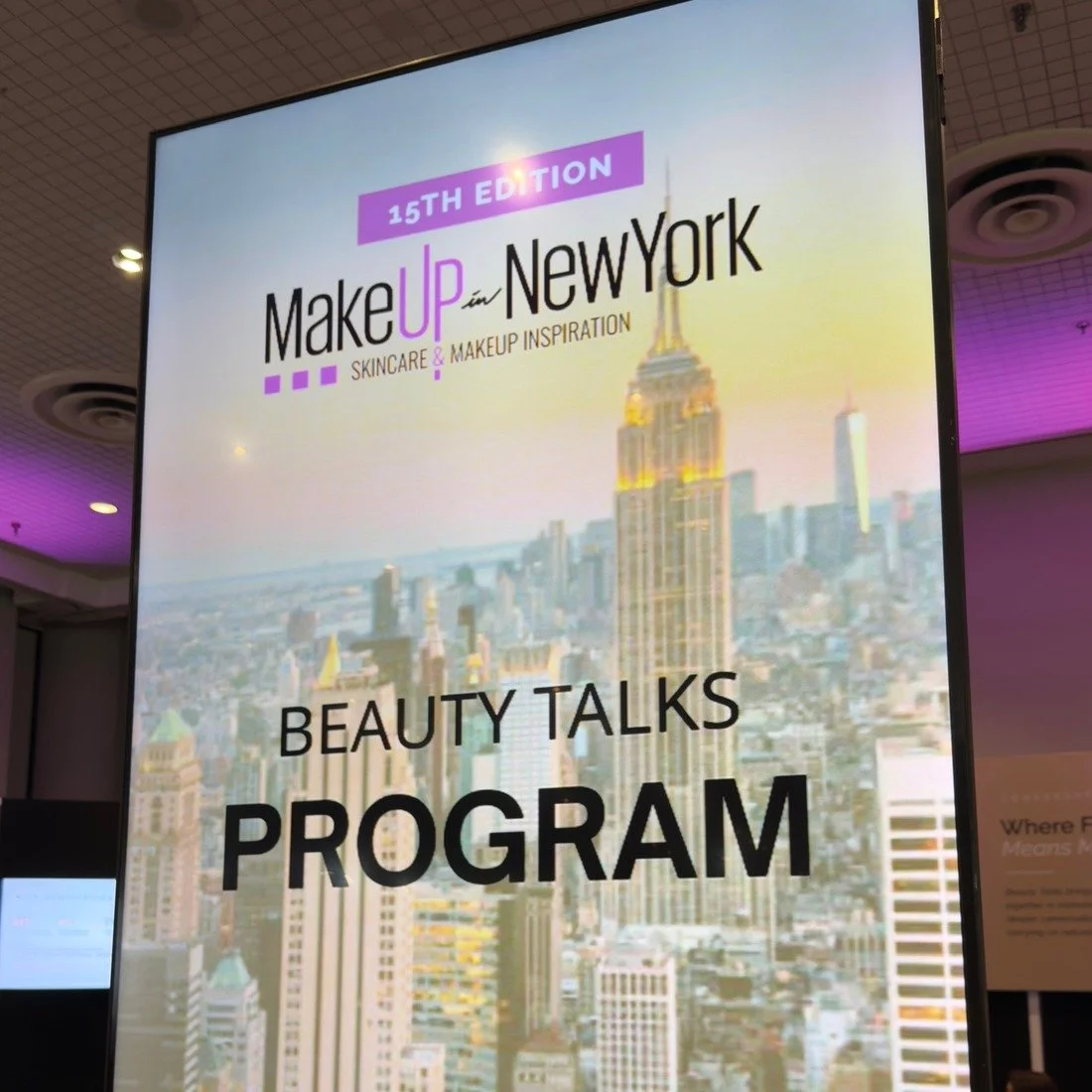
What Suppliers Put at the Front of Their Stands: Notes from MakeUp in New York
Our founder walked the fifteenth edition of MakeUp in New York with one question: what suppliers are putting at the front of their stands this year.
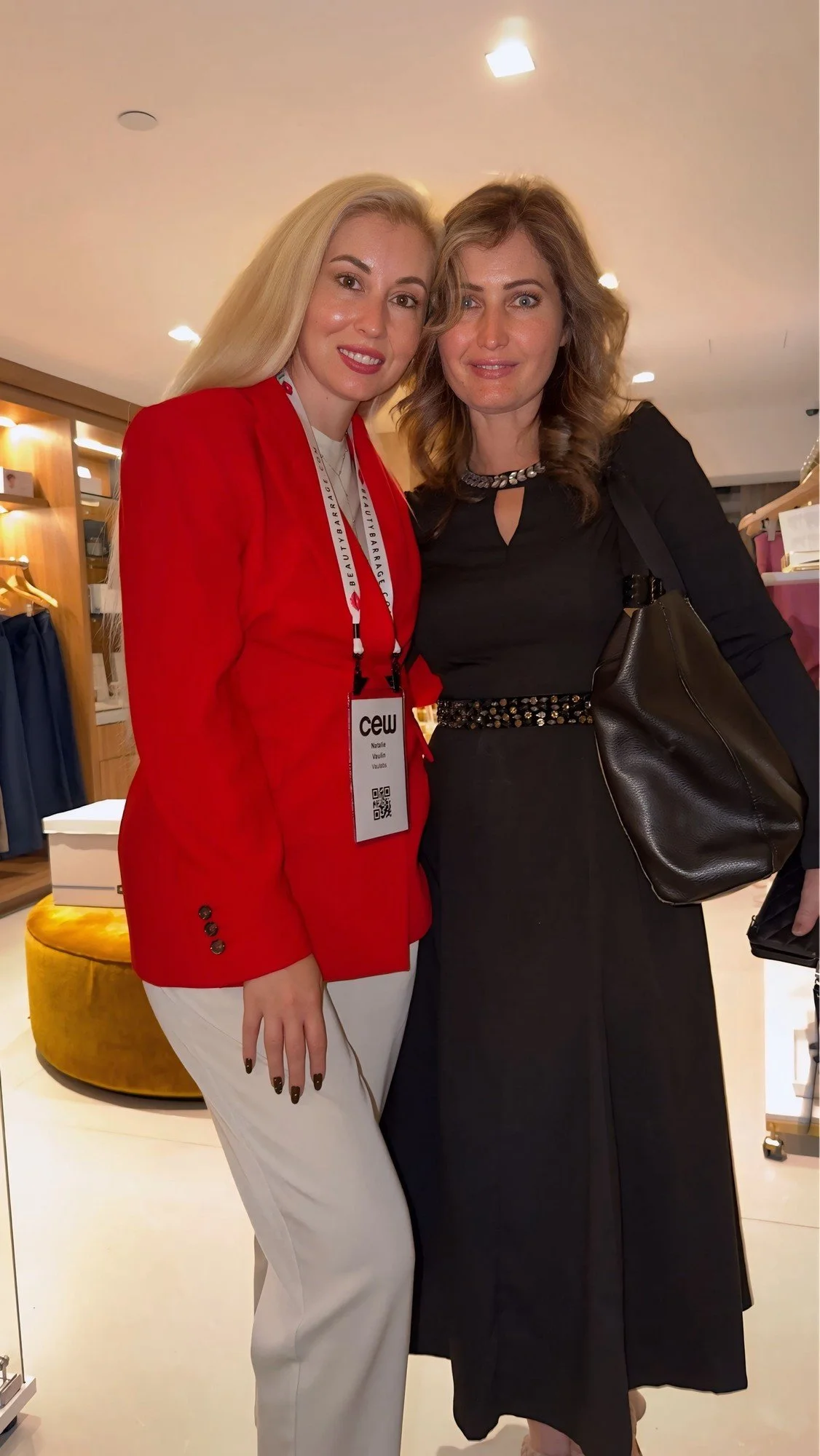
Three Events in One Day: Notes from a Closed Clean Beauty Evening in New York
The third event of a single New York day: two panels, a room of founders, and the questions that reach our lab a season later.
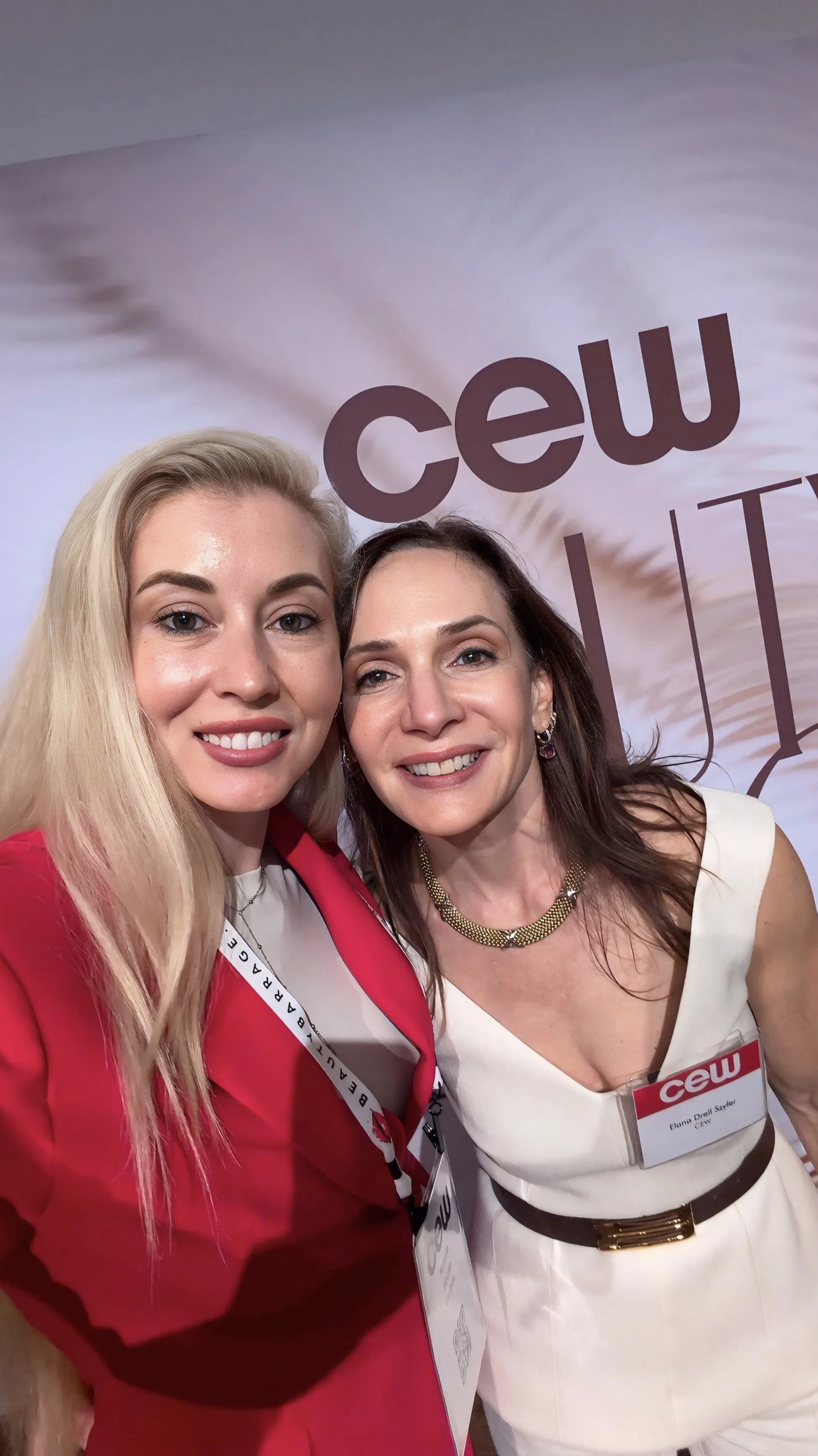
What We Took Away from CEW's Beauty Expo
An evening at the Metropolitan Pavilion, read from the manufacturing floor: what the finalists wall says about formats, claims and what brands will ask for next.
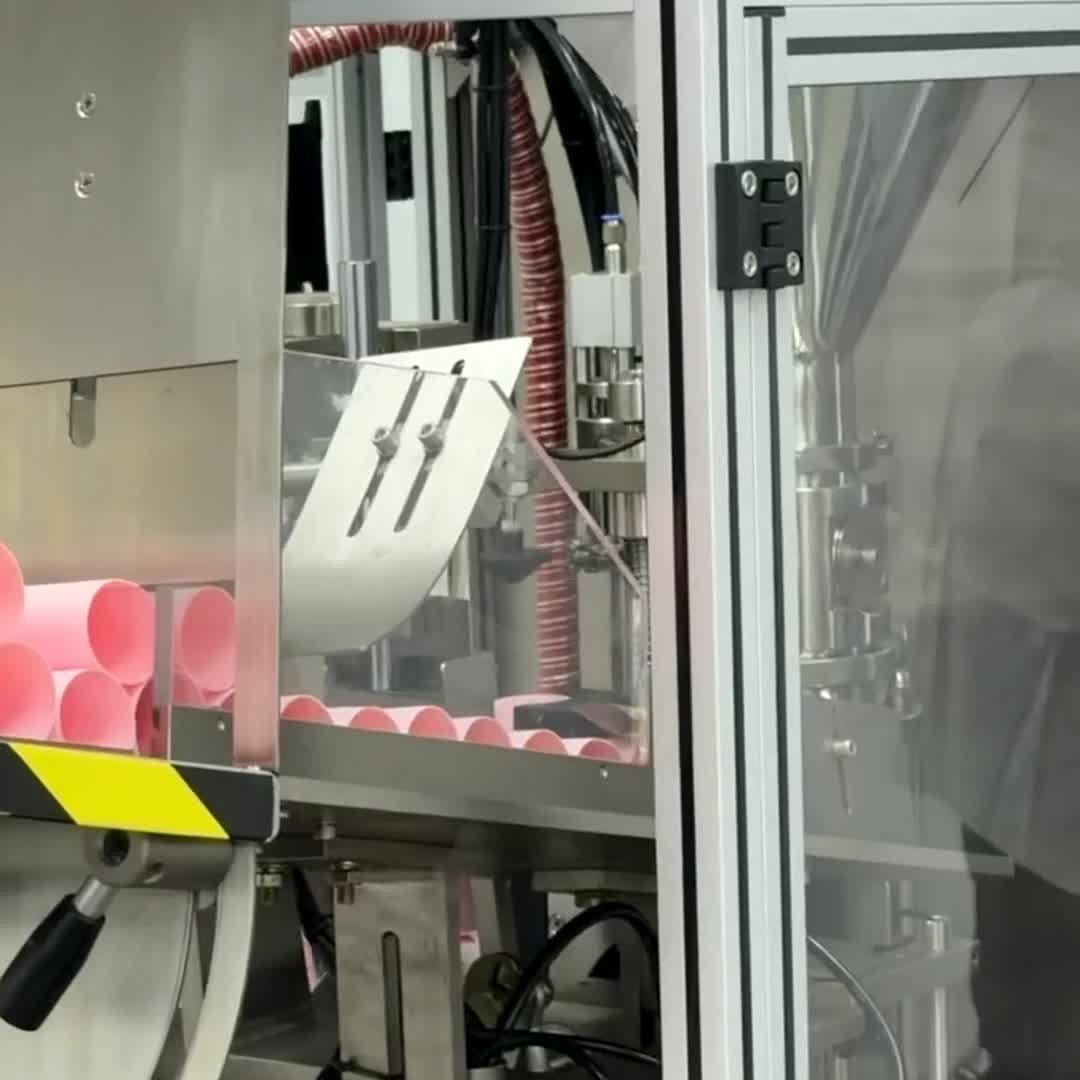
What "Turnkey" Actually Means When You Choose a Cosmetic Manufacturer
Turnkey gets used loosely in contract manufacturing. Here is what actually has to happen under one roof for the word to hold up, and what to ask before you trust it.
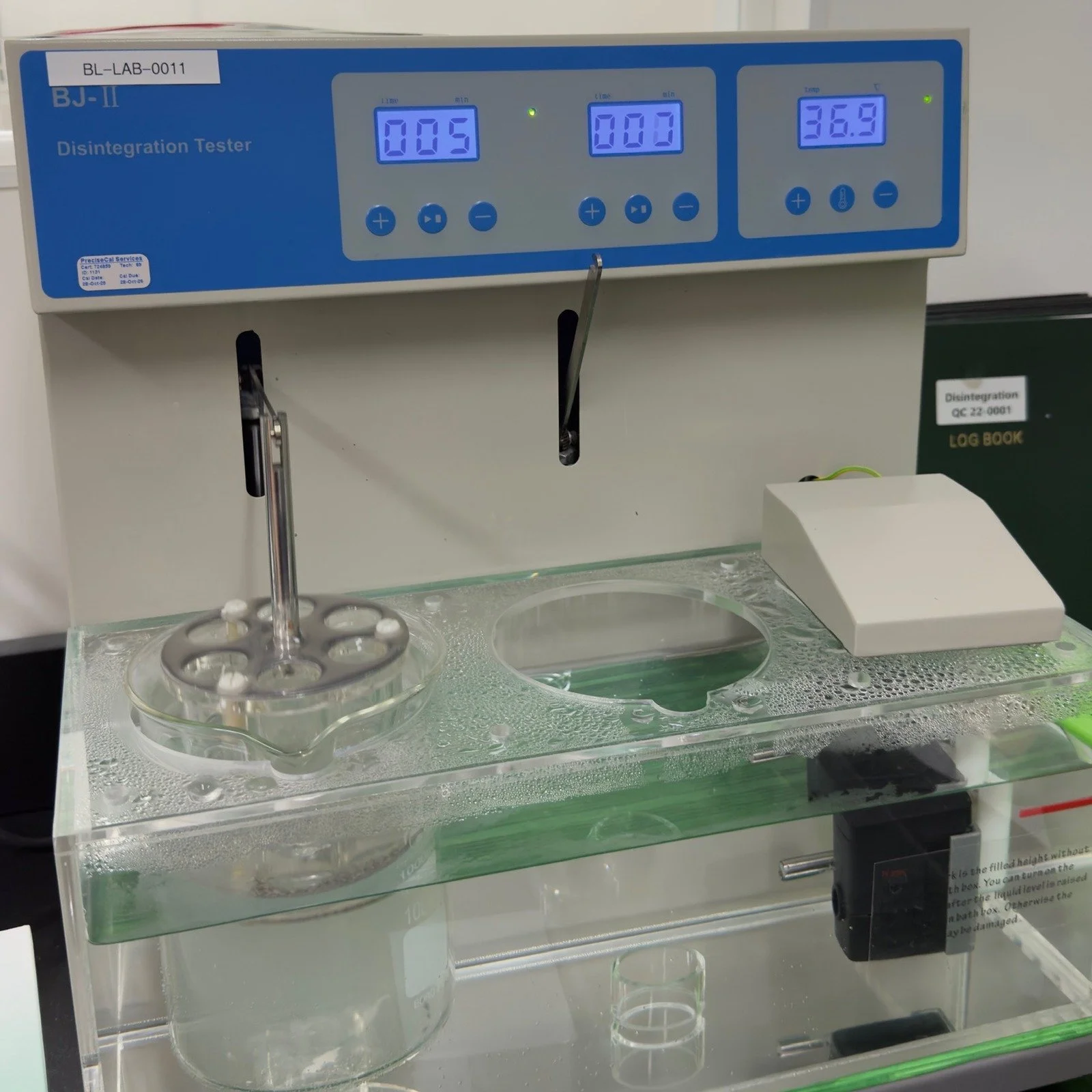
GMP Certified or NSF Certified: What a Manufacturer's Certificate Actually Proves
"GMP certified" and "NSF certified" get used almost interchangeably in cosmetic manufacturer marketing. Here is the difference, and what to actually ask for before you trust either claim.

Notes from FLSCC Countdown 2 Sustainability at the Kennedy Space Center
What we took away from a day of green chemistry talks, supplier tables and speed networking at the Kennedy Space Center.
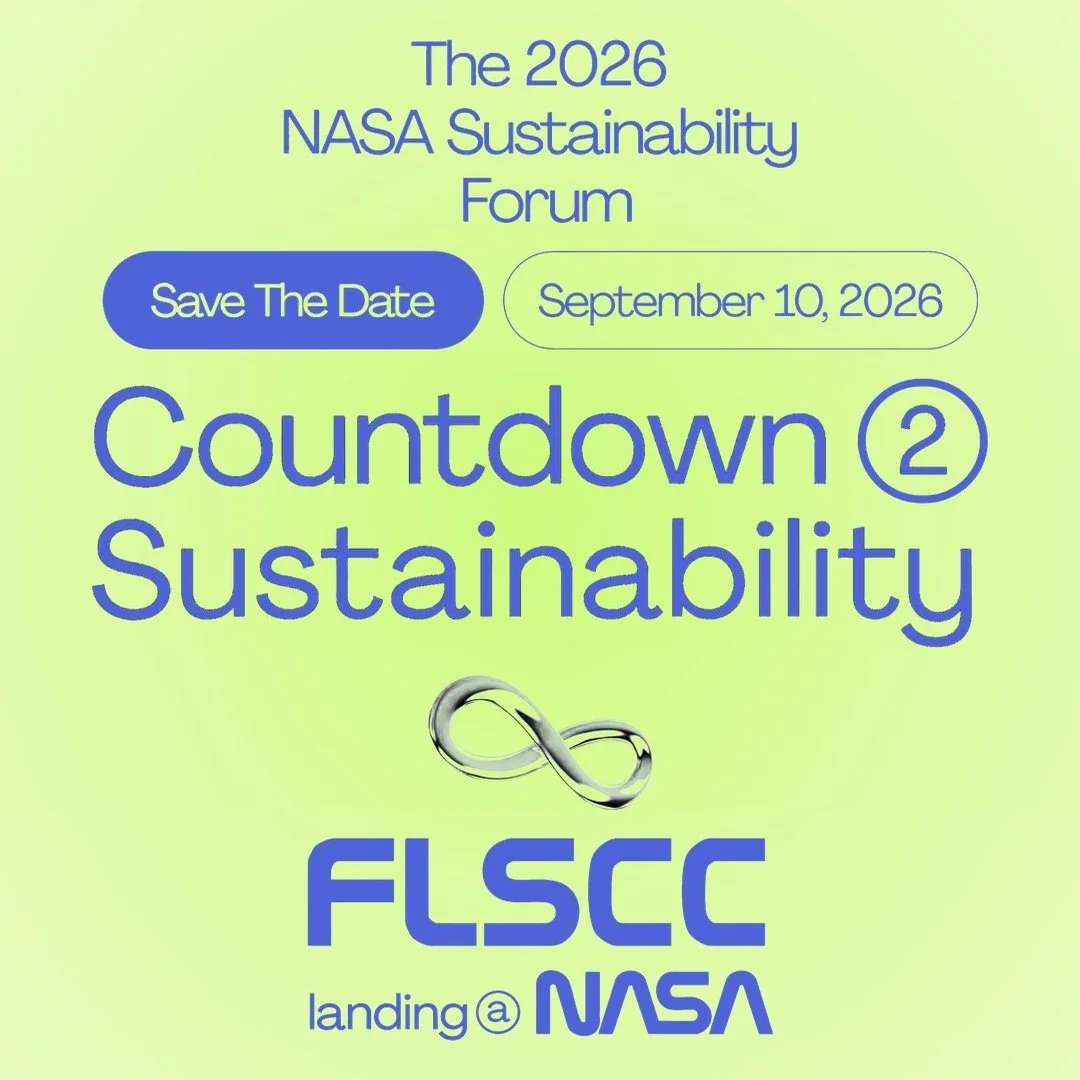
Vaulabs at the FLSCC Countdown 2 Sustainability Forum, Kennedy Space Center
Vaulabs is at the Kennedy Space Center on September 10 for the FLSCC Countdown 2 Sustainability Forum. What we are going to ask suppliers, and how to find us there.
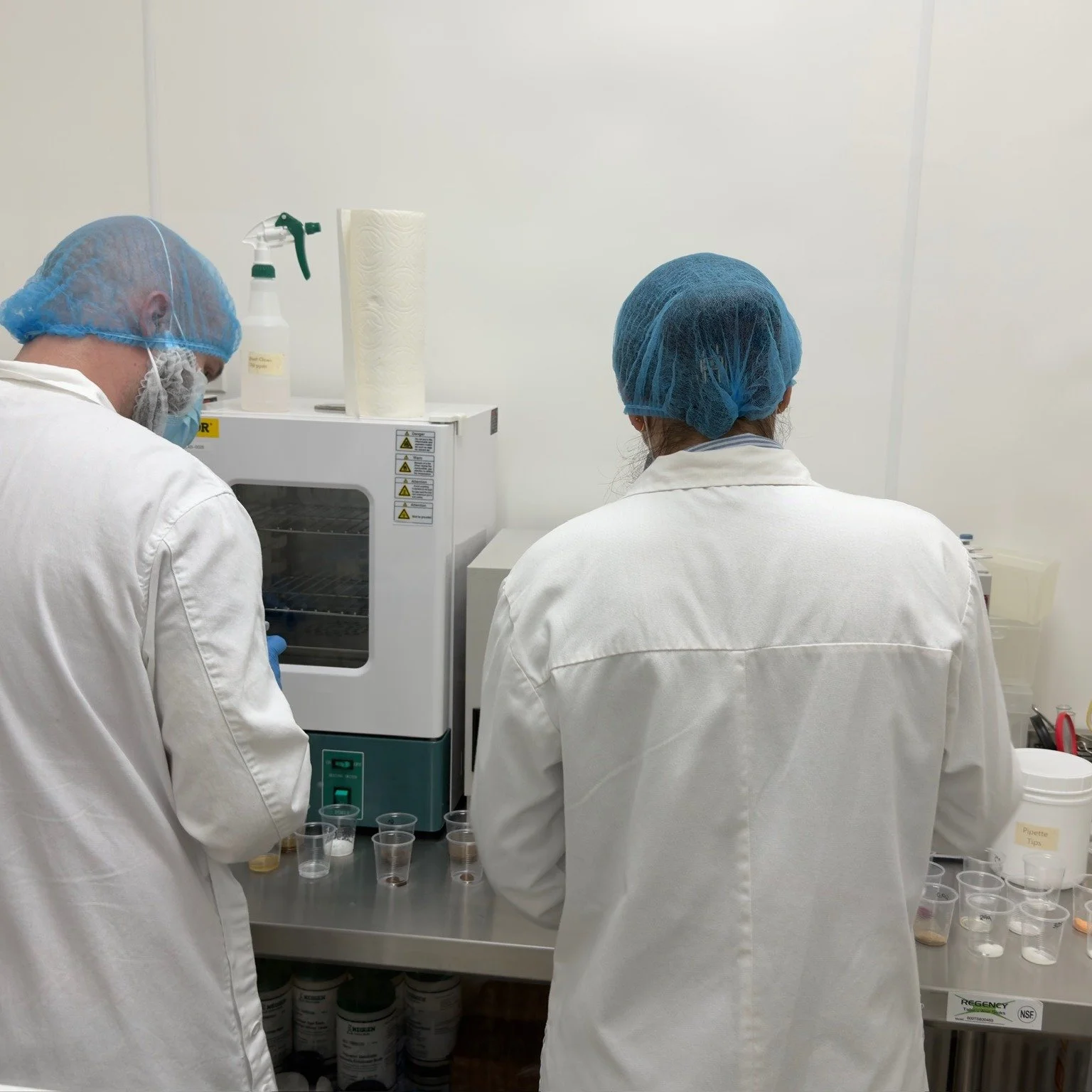
Private Label or Custom Formulation: The Real Cost Difference
Private label and custom formulation get quoted side by side, but they price two different things. Here is what each fee actually buys, what the minimums have to do with it, and what neither number tells you.
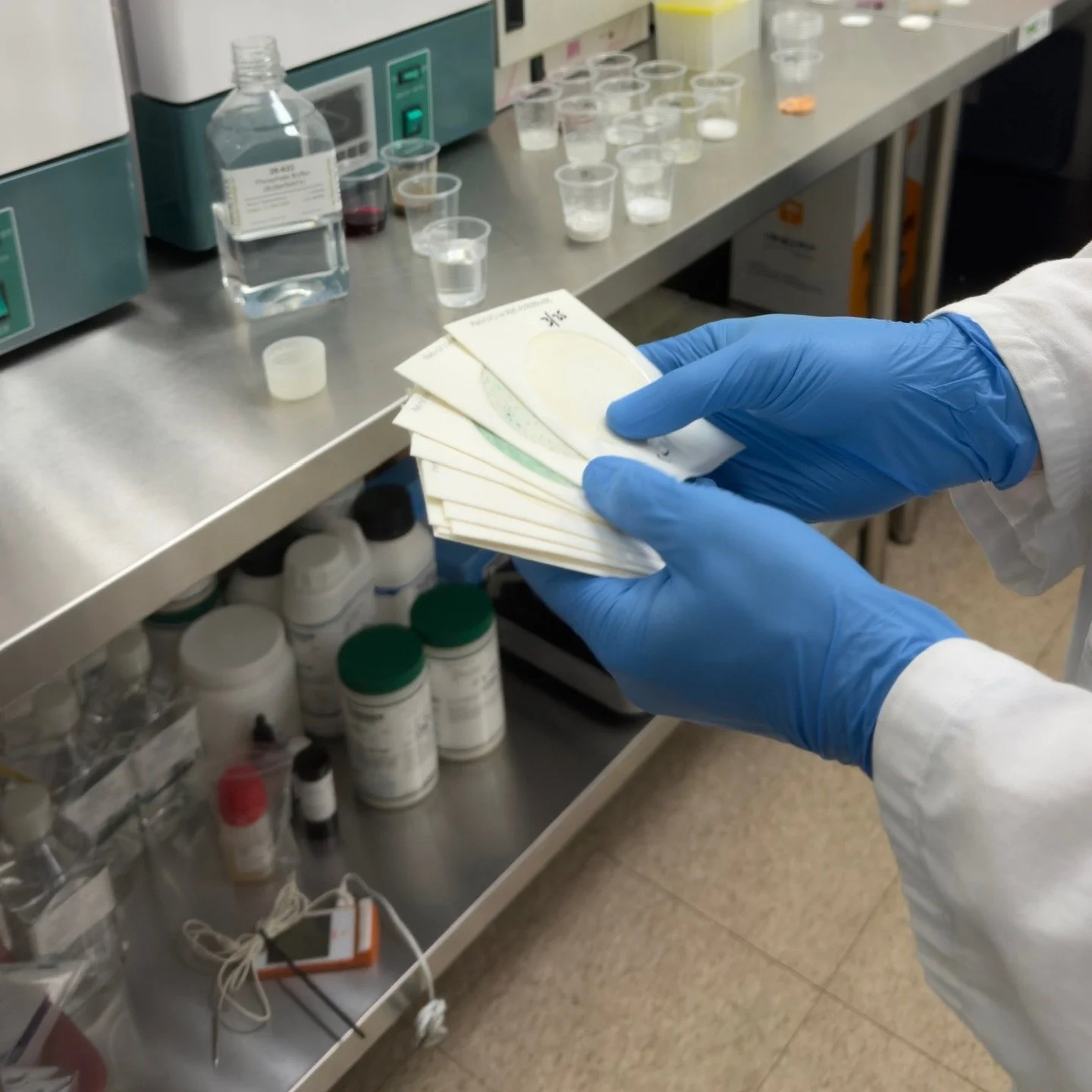
Stability Testing: What It Costs and What It Prevents
Stability testing is treated as a delay that sits between a finished formula and a launch date. It is neither a delay nor a formality. Here is what it actually costs, what it buys, and why three month data is usually enough to go to market.
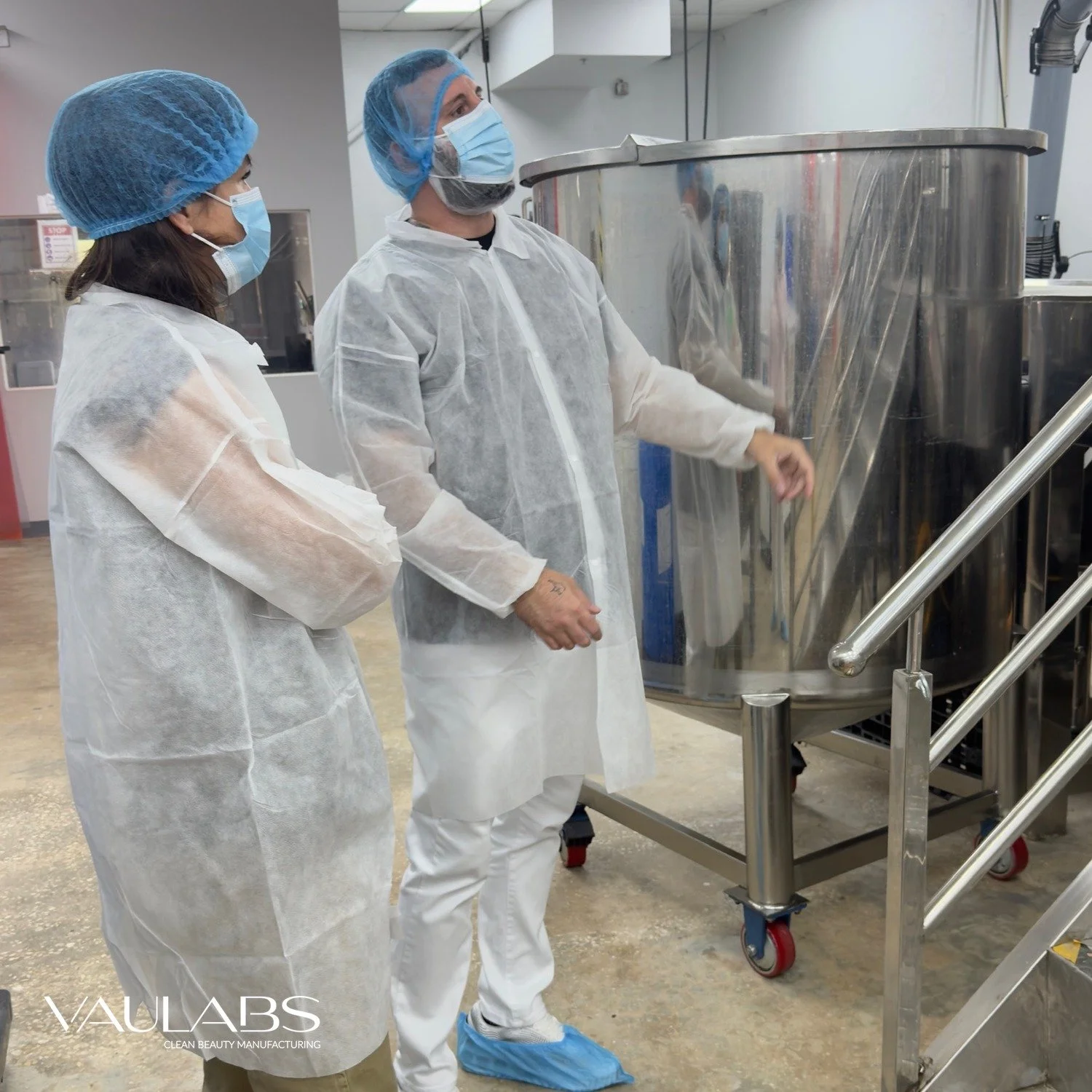
What Cosmetic GMP Looks Like on the Floor
GMP is not a certificate on a wall. Here is what good manufacturing practice actually looks like inside a cosmetic plant, and eight things to check on your next factory tour.
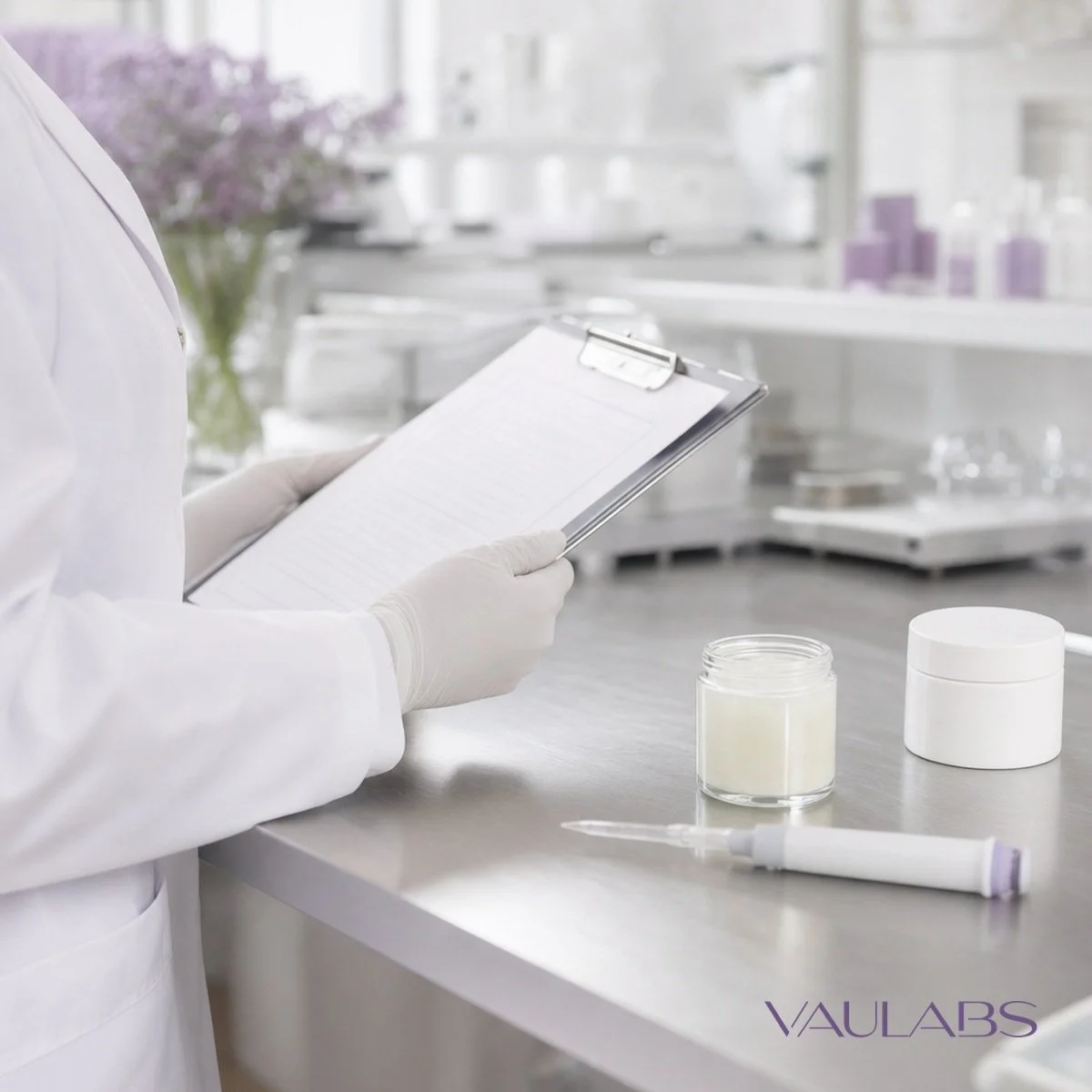
What a COA Actually Tells You
A Certificate of Analysis is not a quality guarantee. It is a snapshot: this batch, these tests, this day. Three things worth checking before you accept one.
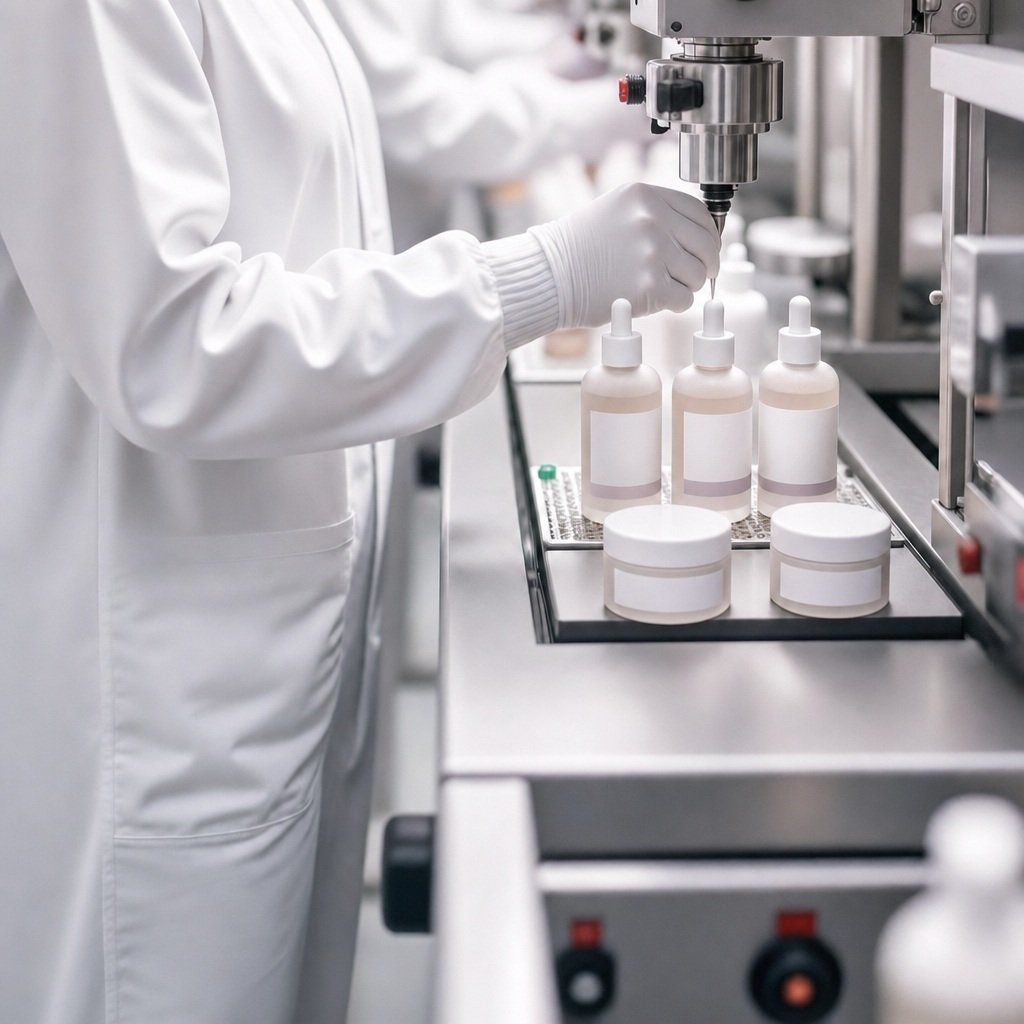
Retail Ready vs Marketing Ready: What Buyers Check First
A polished brand is not the same as a retail-ready one. Here is what buyers and distributors verify before a listing, which documents they ask for, and where growing beauty brands lose the deal.
What a Minimum Order Quantity Actually Buys You
A minimum order quantity reads like a barrier to founders and like arithmetic to manufacturers. Here is what actually sits behind a 5,000 unit minimum, why smaller runs usually cost more per unit, and why the real risk is not the number but splitting it across four SKUs.
How Long Does Cosmetic Manufacturing Take? Real 2026 Timelines
New product launches run 10–12 weeks and reorders 6–8 weeks. Here is what those timelines include, when the clock actually starts, and where launch dates are lost.
What Retailers and Investors Actually Ask About Your Manufacturing
Growing beauty brands are rarely asked about their manufacturing until a retail listing or a funding round. Here is what gets requested, who actually holds those documents, and why assembling them late is the expensive path.